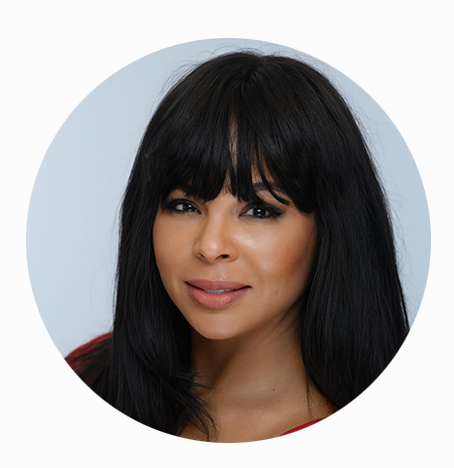
Lara Schmoisman (00:12)
how are you today? And I’m laughing because this is going to be fun. We’re going to start this podcast in a very unusual way. I’m not going to even try to say the last name of my guest, but I’m to tell you this, that this one is going to be trendy and you want to listen to this podcast. So, Bora, welcome. And you say your last name and you can try to say mine too, if you want to.
Bora Mutluoglu (00:35)
Okay, my name is Bora Mugluolu. That’s my last name. That’s how you say it. The G is supposed to be silent. It’s a Turkish last name. There’s supposed to be a squiggle on it, but we don’t have it here. And then I’ll try to say your last name. Lara Schmoizman, right?
Lara Schmoisman (00:41)
Okay.
Very good, actually very good. Well, you got some points there. So, but this is not a game podcast. And so I’m very excited to have you here because TikTok is the big trending word in everyone is talking about TikTok. Everyone is saying you have to be on TikTok shop. You need to sell on TikTok shop. And I want to put out there that selling a TikTok shop is not as easy as it shows. So let’s start with that and let’s start how
Bora Mutluoglu (01:12)
Right. Right.
Lara Schmoisman (01:16)
You created a platform called richer that help you reach and connect with creators through a tick tock and you have a very strong connection with tech talk. So let’s start from the beginning and why you got so interesting idea of where your tick tocker you wanted to be working with tick tock. What, what was your story? What, how did you start this journey?
Bora Mutluoglu (01:39)
Yeah, yeah. So I guess I can do a brief intro of myself, Boram Uluolu. ⁓ I’m the co-founder of Reacher, one of the top TikTok shop software is for finding affiliates, working with them, managing them, and we use AI in all of our workflows. In terms of the story behind Reacher, so my co-founder and I, Jerry, we’ve been working on companies for like four or five years and I was just kind of crazy to say.
Lara Schmoisman (01:43)
Yes.
Bora Mutluoglu (02:02)
the first two companies we worked on both failed and then he was working at Metta at Instagram shop as an engineer. And I was working at Palton networks as an engineer as well. But on the side, I was also a creator, like a micro influencer. have over 10,000 followers across various different platforms, which is not that’s, exciting for most people these days, but you know, it’s micro influencer, right? So I’ve been creating content on the side for a long time now. And then, you know, sometime in.
late 2023, we had just failed our last startup. And it was actually early 2024 when we, you know, we heard about TikTok Shop, and then we were looking for our next idea to work on. And we just kind of dove into TikTok Shop as a new platform. And it had a kind of intersection between Jerry’s expertise and my expertise, right? Him from the brand side and building tech for the brands and me from the creator side and just doing creative stuff. So that’s, we found TikTok Shop and we believed in social commerce.
as we’ve seen the algorithms all shift and then we just decided to try to build a solution for TikTok shop and that’s how we ended up here today.
Lara Schmoisman (03:04)
Okay, so what was the problem that you found?
Bora Mutluoglu (03:06)
Yeah, the problem was very, very simple, actually, in the early days. Now it’s a much more complicated problem, as you probably know, being a TikTok shop operator yourself in the early days.
Lara Schmoisman (03:14)
I know,
I know, but I really want to put the truth out here because there a lot of myths about TikTok and that it’s so easy to sell on TikTok. And my principle is that first of all, something is so easy, it’s not real. And second, it’s that your product need to be TikTokable. If it’s not TikTokable, otherwise it doesn’t work.
Bora Mutluoglu (03:23)
Yeah.
Exactly, yeah.
Yeah, yeah. So that I agree fully with everything you said. And in the early days, it actually was easy to sell because there was no competition or very little competition on the platform. And when I say early days, I mean, the first few months of the platform actually being released, right? So the problem that the brands were facing was that they couldn’t message creators fast enough to like sell their products, right?
Lara Schmoisman (03:52)
Mm-hmm.
Bora Mutluoglu (03:59)
Cause every creator was trying to work with every brand. There was like not that many videos. were not that many brands and not that many creators, but the ones that were on the platform were just making tons of money because tick tock was really pushing and incentivizing all these e-commerce videos. They were subsidizing. So customers could buy for free. They were subsidizing on the seller side. So you could sell and make a ton of money. And then for creators are just paying out crazy commissions and crazy campaigns. Right? So all across the board, tick tock was just spending money to get people to be on the platform. So then the problem.
was that these brands were manually messaging creators and they couldn’t message creators fast enough because there’s thousands of creators, right? So very simply, the first thing we built was a Python script to spam and message creators on TikTok shop. That was the first solution. And then we kind of went from there.
Lara Schmoisman (04:43)
But, okay, but there is more than that because I mean, I use your platform, but also I understand how difficult it is to work with TikTok because also you have a limit as a new branding TikTok, you need to have sales to able to reach out to creators.
Bora Mutluoglu (04:58)
Yeah. Yeah. Yeah. So that like, as, the platform matured to your point, they made it much harder to sell for new brands specifically, because you go onto the platform early days, there were no limits. Now you have a thousand message limit. You have to sell a certain amount to be unlocked to message more creators. You can’t even message creators above 25 K followers right now, unless you have, I think it was like 2000 sales, a dollars in sales per month. Right. Yeah.
Lara Schmoisman (05:21)
But at the
same time TikTok is not a platform to sell high ticket products.
Bora Mutluoglu (05:29)
Yeah, so you’re talking about high AOV, like expensive over-hanging walls. Yeah, so it did start off as…
Lara Schmoisman (05:32)
Yeah, expensive items. So it’s
harder to get to those $2,000.
Bora Mutluoglu (05:39)
Right. mean, there’s, there’s solutions out there. Like, ⁓ Celico is one that comes to mind that you, do you know Celico? Yeah. Yeah. So that’s one that comes to mind where like, can kind of hack your way around these, these,
Lara Schmoisman (05:46)
I do sit and I’ll sit like that.
Yes, you can hack your way,
but also you need to keep hacking your way to get to 2000 a month. Otherwise you never get there.
Bora Mutluoglu (06:01)
Right, right. Yeah. So it’s not sustainable is what you’re saying, correct? Yeah. I mean, the, we want to get into like the true strategies of what works on TikTok shop for brands. Yeah. It’s, really a lot of manual work. ⁓ like I, I’m the co-founder of an automation company, so it’s not in my best interest to say this, but, the brands that use our software, they benefit after you’ve gone like 20 K, 30 K, 40 K. They benefit a lot, right? You can still benefit as a cold start brand using a software like ours.
Lara Schmoisman (06:04)
Exactly.
Yes, let’s do that!
Bora Mutluoglu (06:30)
⁓ but really like there’s a lot of manual work that people aren’t doing that I think you should be doing. Right. So
Lara Schmoisman (06:36)
Absolutely, even with your platform. I found out that for younger brands that you’re not having that volume of sales, that using your platform is very useful, but also you have to be a lot of manual work as well.
Bora Mutluoglu (06:50)
Exactly. Exactly. You have to do both, right? The problem that I see brands doing today that are new to the platform is they’ll purchase a, your subscription or a subscription from a competitor and they’ll just send out as many messages as possible, but then they won’t do anything on the backend of that, right? Like those are the messages and expect sales. But what you have to do is you do have to send out all those messages and reach out to all those creators.
But then once you get the sample requests coming in, you have to manually go in and review them to make sure you’re actually approving good samples, right? And then you have to manually go and make sure that you’re like making these creators feel happy and building a relationship with them and then building a creative community. Like there’s a lot of manual work after that initial message being sent and sample requests being approved.
Lara Schmoisman (07:28)
Yeah, no, but not only that is about the relationship. mean, having a tool is fantastic, but if you don’t build a relationship with your content creators, you don’t send them really what you need. You’re not warm.
You’re trying to compete to work with content creators that they have a good GMB with many other companies. So how are you going to stand up for yourself? You need to create those flows in the right way that you’re communicating why you stand out and why those creators will make money out of you. Because they’re not doing it because they just like you.
Bora Mutluoglu (07:46)
Yeah.
Yeah.
Yeah, exactly. It all comes down to, especially initially, it comes down to the money that you can reasonably make with these creators and that the creators can make from working with you. And then to your point, like after this initial money, like here’s the money you can make, then it’s like, okay, I can make the same amount of money from all these brands. Why would I pick your brand? Right. And that comes to the relationship. So
Lara Schmoisman (08:21)
Exactly.
Bora Mutluoglu (08:23)
That’s where I think a lot of brands are kind of failing. They’re seeing these creators as like a money printing machine, but really they’re just humans and they want to be, you know, they want to be talked to and become friends with you and kind of feel like loved by the brand or the agency they’re working with. ⁓ and I think that’s where a lot of agencies and brands kind of maybe not fail, but they don’t do a good job of building that relationship and maintaining it.
Lara Schmoisman (08:37)
Yeah.
Well,
for us, it’s all about storytelling and how we connect, not only with our audience, but also with kindness toward their people in the other side. are really nice. And you need to be kind to them. If you build those relationships, they’re going to create better content for you.
Bora Mutluoglu (08:54)
Yeah, yeah, yeah.
Yeah, exactly. They should want to create content for you, not because you’re telling them to, but because like, I love talking to Laura and like we talk about our day and things like that. And I want to actually work with her and I want her to succeed so I can succeed. I’m curious, like, how, are you approaching that, that problem from, your agency standpoint and this like relationship building with creators?
Lara Schmoisman (09:13)
Exactly.
Well, I first of all, my agency and probably people they are a little tired of me telling this story. We have one rule that is to be kind between us and with everyone from the outside. We’re not tolerating things that they are not people that they’re not kind or treating respectfully. So I think that that’s motorboats for everything. You need to be kind with your creators. You need to listen to your creators is the same that you need to listen to your audience reviews are telling you stories. So you
Bora Mutluoglu (09:28)
Mm.
Lara Schmoisman (09:48)
need to take the time and listen to the reviews and say what people are not liking about your product so we can address it. A problem is not a real problem if you address what people are saying.
Bora Mutluoglu (10:00)
Yeah, yeah. Looking at the reviews, that’s an interesting one. I haven’t heard many people say that. Like what, how do you look at reviews for products and like, what do you do based off the backend of like a really bad review or bad comments?
Lara Schmoisman (10:11)
Well, first of all, you always think that bad reviews, you need to answer them. You need to answer every review if you can. And you need to offer to make it better. But also I think that, for example, we had a situation with one client, a beauty product, that the founder loved the scent, but people found it a little strong, the scent. So…
Bora Mutluoglu (10:29)
Mmm.
Lara Schmoisman (10:30)
It’s something we can address. We can put it in in the brief. We can tell people to just mention it as a UCG. Hey, this smells like this. If something that can create problems, if you address it, it’s not a problem anymore.
Bora Mutluoglu (10:40)
Right.
Yeah, yeah. And it shows them that like you put in the extra effort to actually listen to the review, not become angry back at them, but also like make it make a change to make it better.
Lara Schmoisman (10:54)
Okay, we know haters are haters always and you’re always going to have people that they complain and they don’t like your product, but it’s how you respond to the problem.
Bora Mutluoglu (10:57)
Yeah. Yeah.
Hmm. I see. So how, how do you and your team respond to like the haters that keep coming? Cause everybody, to your point, everybody has haters. know, everybody, no matter what you do, you will have haters. like if you’re your model, I like that model of being kind and being, being nice to everybody. Well, how like,
Lara Schmoisman (11:16)
Yeah, you respond
to everything. say, well, I’m sorry that it didn’t work out for you or if we,
First of all, I always talk to my brands about customer service. The customer service, it’s super important and they need to be addressing all these issues and they need to be listening to the reviews because there are a lot of things that we can do from the marketing side, but also there’s a lot of things that they can do it in product side that even in the next batch that they do products, if there’s something that they come up all the time, they can put it in the instructions or they can put it in the packaging. There are a lot of things that it can be addressed. The only problem is when you’re not
Bora Mutluoglu (11:40)
Right.
Lara Schmoisman (11:53)
aware of the problems.
Bora Mutluoglu (11:54)
Yeah. How about with like creators? Cause that’s customer support from the people that are buying the product. What about like, you know, one thing I see a lot from like a lot of brands and agencies is when they’re building a creator community, there’s going be a lot of creators that come in that are not serious about working, like making good content, or they’re just like asking a lot of questions, but they’re not, in a nice way. And they’re being mean. How do you, how do you like end up handling or those relationships with those kinds of creators?
Lara Schmoisman (12:13)
Yeah.
and
you just tell them probably that it’s not a good time for the partnership and that we’re locking up in the future and I think you need to give consistent feedback. Hey, we don’t feel like you’re the right voice for the brand or that at this stage your content doesn’t match because also as creators they’re looking for jobs. You need to think that there is a person in the other side. This is a job for them.
Bora Mutluoglu (12:35)
Hmm.
Yeah. Right. Right. So
you’re, you’re not, you’re not, you’re saying not to ignore them, but just give like, let them down lightly, basically. Like, ⁓ you know, I see. I see. I think it’s. Yeah. Yeah. It didn’t go well. You know, I’m not, I’m not diving with you. Yeah. No, I think that’s a good, that’s a good point. How, do you do that across like thousands of creators though? Like reasonably.
Lara Schmoisman (12:49)
Yeah, exactly. It’s like a date.
Love you!
Well,
I think that it’s really important to have systems in your team. Like even if you have, I mean, you have a team and I’m sure that you’re interviewing people for roles, right? And there are some people that they’re not a good fit and you give them a rejection email that probably is a template that you have, but it’s a nice template. So you do the same with the creators and you allocate someone in your team that is doing their outreach to send.
Bora Mutluoglu (13:12)
Yeah.
Lara Schmoisman (13:26)
How long it can take you just to send the same message, but you’re being kind and respectful and today might not be a good creator for you, but for the next brand, could be a good fit. And then we’ll be grateful that you acknowledge them.
Bora Mutluoglu (13:37)
Yeah.
Yeah, that’s, that’s a good point. Actually, you never want to burn a bridge. I some people, some people will, will like, let their emotions get the best of them and they’ll, they’ll burn the bridge and they’ll say things they don’t mean, or they’ll like make themselves look very bad in certain actions they take. think like I’ve learned in life, there’s kind of no reason to, to burn a bridge. So I like your motto. Actually, I might, I might implement that for in our company too, like be kind to everybody. You know, there’s no need to. Yeah.
Lara Schmoisman (13:43)
Never.
I love that. I really love that. Even let
me tell you one more thing that we do, but then we’re going to go back to graders. We do something that once a month is the raising the bar challenge because everyone always points fingers to people that they do things wrong. We point fingers to people that they do things right through the months. And then the team need to vote who raise the bar the most.
Bora Mutluoglu (14:24)
⁓ interesting. So it’s kind of like a, you know, in like discord communities, they have like a hashtag wins channel. it like, what are the wins? wow. like that. And can, people on your team like nominate anybody else or is it like
Lara Schmoisman (14:29)
Yes, exactly. Yes.
Yeah, everyone
needs to know you cannot self yourself self nominate you. You need to nominate someone else who did something extraordinary.
Bora Mutluoglu (14:40)
⁓
wow. So it’s like, what’s that called? Employee of the Month, but it’s like nominated by each other, everybody.
Lara Schmoisman (14:47)
Yes,
and they point fingers for the right reasons.
Bora Mutluoglu (14:50)
I like that. It’s a, you know, that’s, really important. Like this positivity and, and this positive mindset. like one thing we learned during Y Combinator, which we just went through is like, sure. We can talk about that too, but one thing I learned was like,
Lara Schmoisman (15:00)
Yes, I want to ask about that too.
Bora Mutluoglu (15:05)
There’s no room for pessimism in a company, especially a small company that’s trying to start, right? Like, you know, every company, there’s a lot of difficulties that you go through, right? Like there’s times when customers are like pissed off. There’s times when like someone messes up. There’s times when, you know, you’re not making money, things like that. Right. And like, if you’re, if you’re always pessimistic, that energy is just going to cause you to fail.
Lara Schmoisman (15:25)
Absolutely, you’re
setting yourself for failure from the beginning.
Bora Mutluoglu (15:29)
Exactly. that’s one thing that we’ve like, it’s really hard. I’m sure you know, also as a founder, it’s like really hard to always be optimistic because it is up to us to be optimistic.
Lara Schmoisman (15:37)
It is really
hard. It’s lonely up here. It’s really lonely.
Bora Mutluoglu (15:41)
Yeah, it is. is. It’s, especially, are you, are you a solo founder or do you have a couple of them? So for you, it’s especially lovely. Like, at least I have like Jerry as my co-founder. So like when times get tough, like, we can rant. Yeah, we can vent. Exactly. So, but that’s like really important, like really props to you for being able to maintain this like optimism and good mentality.
Lara Schmoisman (15:45)
Yeah, I’m a solo founder.
Yeah.
You can bend, yeah.
It’s
really important. You can drown otherwise. You can really drown and you stop your growth. But let’s go talk about influencer because I see a lot of the small brands with big dreams and work with influencers and content creators that are already super big. What is the trend that you see with that? Working with super big creators. Is it worth it to go and pay them?
Bora Mutluoglu (16:08)
Yeah.
Yes.
Lara Schmoisman (16:26)
a nice chunk of money for them to sell the product.
Bora Mutluoglu (16:29)
You know, think it’s, it’s a, for, for like, if we’re talking about a smaller brand whose goal is to like make money, I think these bigger influencers are good to partner with if you are going for brand awareness, which is why like a lot of the times big enterprise brands will partner with a, know, Kim Kardashian or something like that. Right. ⁓
Lara Schmoisman (16:46)
Yeah, because
at the end of the day, I think we’re always chasing the wrong metrics and people go for GMB or they go for ROAS. But at the end of what we want is lifetime value of a consumer. You want the consumer that will come back and then come back.
Bora Mutluoglu (17:03)
Yeah, yeah, you want high LTV. mean, like
Most of these brands that I talk to that are like on the smaller side or just getting started on TikTok shop, they don’t have the budget for like a 1 million follower influencer anyways, right? Or like a 50 million follower influencer. And like what it doesn’t matter. The follower count doesn’t matter anymore on Instagram or TikTok because anybody can go viral for any reason. I mean, I recently went viral for a Waymo video that I posted and I have 500 followers on TikTok and I got a hundred thousand views on my video, right?
Lara Schmoisman (17:29)
Yeah, but
the followers are not there.
Bora Mutluoglu (17:32)
I don’t have any followers. So how is that possible? Right. It’s because of the algorithm, because the algorithm shows people good content or what it thinks is good content. And if people interact with that content, then it shows it to more people. Right. So you can technically have a creator with a thousand followers reach way more people than a creator with like a million followers. If the content is good.
Lara Schmoisman (17:52)
Absolutely. We had a few clients that we weren’t seriously viral and our followers count didn’t move at all.
Bora Mutluoglu (18:00)
Yeah, exactly. And people don’t follow based off of that. They just look at the content and be like, this is like fun. So that’s one metric.
Lara Schmoisman (18:04)
Absolutely. So I love
that you started this podcast talking about your failures and that you had two companies that they failed before. then I know I love that about you because it’s really important. I cannot even tell you, I lost count how many times I failed and I keep failing and that’s okay because we learn from it.
Bora Mutluoglu (18:24)
Hmm. Me too.
Yeah. Yeah.
Lara Schmoisman (18:29)
make us stronger. so how is to going from companies that they failed to a company that is doing great and on top of that you’ve got into Y Combinator and that how was that experience because that’s a very unique experience.
Bora Mutluoglu (18:42)
Yeah, yeah. So companies that failed, I mean, it’s really hard each time. But I think each failure, I mean, it’s very cliche to say, but each time we failed, we learned a lot, right? Like, you learn about like equity splits, you learn about like how much to pay people, what to expect, how to have no expectations, like to handle your emotions, all that stuff. So I think each time we failed,
Lara Schmoisman (19:01)
Mm-hmm.
Bora Mutluoglu (19:03)
We learned a lot of things about ourselves and about how to start a company and kind of be a good human being.
Like actually we applied to white Combinator every single time. Every company we had, we applied and we didn’t get in any times until, until this Reacher, right? So we applied for our first company, which was like over the phone AI, you know, communication company. And they didn’t, they didn’t let us in and they also gave us feedback. And then we like pushed back on their feedback. We’re like, no, you’re wrong, which is very stupid of us to do. like it’s white Combinator. know what they’re talking about.
Lara Schmoisman (19:17)
Mm-hmm.
You
were young. Let’s excuse you.
Bora Mutluoglu (19:35)
Yeah, so exactly. Right. It was the first time we had any company and we applied and we got rejected and we were like, angrier, but hurt or egos were hurt. Right. So we responded the second time we got rejected. We didn’t say anything. We’re like, okay, no problem. The third time we didn’t even want to get in actually. So we applied to Y Combinator and we applied to Andreessen Horowitz, A16Z Speedrun, which is like a competitor to Y Combinator, like a similar program. We got into both. And also like we didn’t plan anything. Like we took the video to apply.
Lara Schmoisman (19:42)
huh.
Mm-hmm. Yeah.
Bora Mutluoglu (20:02)
The last 10 minutes or like last hour of the application window, we were in China with Jerry. We got to our hotel room and Jerry was like, Hey, we need to take a video. I didn’t even know about this. I was like, okay. So we took a video and we just submitted it like a random video and then we got in and then, and then we got.
Lara Schmoisman (20:17)
That shows you how authenticity is important.
Bora Mutluoglu (20:21)
That’s true. Yeah. Authenticity. was very authentic. It was like, Hey, everybody. It’s like, we just got to it. Yeah. Maybe, maybe I’ll post it on, LinkedIn. I was like, this is the video that got us into Y Combinator. Yeah, that could be an interesting one. Um, so that’s what happened, right? And then we got into Y Combinator and then we didn’t even want it because we are at the time we already had a good amount of revenue. Um, and like we were, we weren’t going to take it. The reason why we ended up taking it was because.
Lara Schmoisman (20:24)
I’m sure.
I want to watch the video.
I think you should. I think you should.
Bora Mutluoglu (20:49)
the COO of Shopify at the time, Kaz Nejatian, he called Jerry on the phone and he’s like the COO of Shopify, right? And we didn’t have no idea how he got his number. He called Jerry and he’s like, hey, I’m Kaz, I’m the COO of Shopify. He’s like, you need to take Y Combinator, you need to do it. And we were like, this is crazy. Like, why is the COO of Shopify calling Jerry to tell us to take Y Combinator? So then we ended up taking it because of that reason.
Lara Schmoisman (21:12)
Well, and I think that was smart. It was a smart move because a business only can grow if you can keep growing as a person.
Bora Mutluoglu (21:19)
Yeah, yeah. The reason why we didn’t want to take it is because we thought we were like too good or whatever. Like our revenue was too high because a lot of companies that joined my Combinator are pre-revenue, right? And we had a lot of revenue. I think end of the day, like we have no regrets. Like it was a great program. It was very difficult to do it. And we know a lot of really smart people now and we’re integrated into that community now because we did it. So it was, like.
Lara Schmoisman (21:41)
Yeah, exactly. it’s
at the end of the day is how you know and in what environment you are connected to. And getting to know smart people is always smart.
Bora Mutluoglu (21:50)
No, that’s a really good point. the older I get, the more I realize it’s like who you know is a really big deal. And then your network, your network is your net worth. That’s the saying, right? ⁓
Lara Schmoisman (22:01)
Totally, totally. the fact that I
always say this, that you make those relationships and if someone, you send an email, they will answer because you’re you. If there’s other people that they don’t know, they won’t answer that email probably.
Bora Mutluoglu (22:16)
Yeah, yeah, you’re right. It’s 100%. ⁓
Lara Schmoisman (22:18)
So
relationships, and you don’t know, people move around, and you don’t know what is gonna be next in your life. But talking about next in your life, what’s next for Richard? Because I know you guys are keeping evolving and evolving.
Bora Mutluoglu (22:30)
Yeah. Yeah. Next for Reacher. There is a lot. mean, we’re going global. We’re operational in all TikTok shop regions worldwide, except for Southeast Asia. We’re not operational in like Philippines or Malaysia or anything like that, but everywhere else there’s TikTok shop. are active. We are growing a lot in terms of the tech. We’re focusing on AI. ⁓ Which I think is like, everybody’s tired of hearing the word AI, but…
Lara Schmoisman (22:50)
Mm-hmm.
Bora Mutluoglu (22:53)
We’re in San Francisco. Everything around us is an AI billboard or an AI bubble. Right. So, ⁓ we are really focusing on like agentic workflows. We really think that in this now more than ever before is like the time that any company can scale a lot. Any human can scale themselves a lot with all these AI workflows and tools that exist. Like, have you heard of Claude bot or open claw by any chance? Yeah.
Lara Schmoisman (22:58)
I know.
Of course, about this
crazy Switzerland guy, Swiss guy created, of course.
Bora Mutluoglu (23:20)
Yeah, yeah,
yeah. So that’s an example. Like out of nowhere, this guy created this like AI agent that you can basically program to be your executive assistant that has access to all your data and can just do a million things for you. Right. I don’t, I didn’t use it yet because I don’t want to connect it to my personal information. Cause I don’t know. Yeah. I’m very well. then there’s other things though, like Claude cowork is an example of like
Lara Schmoisman (23:39)
Exactly. I’m in the same boat, but I’m very curious.
Bora Mutluoglu (23:47)
a more secure version of this to some extent. Like you can have cloud cowork or like cloud code do a bunch of these things for you. You can set up your own AI agents to like read all your emails and decide, like remind you to follow up with people, things like that. Right. So, in, on that vein, we are trying to build those kinds of workflows into Reacher so that companies like yours and brands can scale without being worried about like finding the best time.
Lara Schmoisman (24:10)
This is my question, and this I think as an agency and brand, this is the biggest issue that we face when we’re working with creators, is we are rich and then many times there is no response. And how do we, do you think that we can resolve that issue?
Bora Mutluoglu (24:25)
So the reaching out and having no response issue, are you talking about the affiliate center specifically?
Lara Schmoisman (24:31)
I feel it’s center, we try even many platforms, a lot of content creator platforms and it’s there many times are just ghosting.
Bora Mutluoglu (24:40)
Yeah, there’s, so there’s two things I could answer that with. One is like a technical standpoint where we are working, we’re always working on improving like AI creator search and like AI personalization messages. Cause like, if you can personalize the message to the creators, there’s a much higher chance that they will respond, whether it’s email, affiliate center, texts, all that stuff, right?
Being able to reach out to them in these other venues like WhatsApp or text as well is something that we are continuously working on. Those should, those methods I use.
Lara Schmoisman (25:08)
I’m
really excited about that, really excited because I think that there is going to be a much better chance for people to open their message.
Bora Mutluoglu (25:17)
Yeah, exactly. You have to reach the people where they’re at. If people are always texting or always WhatsApping, then that’s where they’re going to be. Right. The other thing I would say is actually related to the point you made earlier, which is your network, right? Who you know and who you will respond to. like if a creator
doesn’t know who you are, who I am, why would they respond to us? But if we already have a relationship with another creator, who that creator knows, or who that creator is friends with, if this creator sends a message to the other creator, they might respond to that creator, right? through who we know in the creator world, can get them. Yeah, basically, exactly, exactly, yeah. You got our next speaker. Yeah, so.
Lara Schmoisman (25:48)
in in size rater.
A link for creators. I love it. I love
it.
Bora Mutluoglu (25:57)
There’s ways to get around it. And I think you just have to be creative or you just have to like try a bunch of different things to figure out what works.
Lara Schmoisman (26:04)
Okay, so from your point of view, what’s going on in the influencer slash affiliate slash content creators industry? Where are we going?
Bora Mutluoglu (26:14)
Where are we going?
Lara Schmoisman (26:15)
Because a lot of people are saying that influencers are dead, that brands are not putting so much money in influencers right now, that everything needs to be through GMB and trying to get sales. Content creators still want the flat fee. So there is a pushback from both sides. So where do you think are we standing and where are we going?
Bora Mutluoglu (26:17)
.
think the market is actively maturing. don’t think, I think these like statements that are very on one side or the other side, I don’t ever like really agree with any, any of those kinds of statements. Like the internet is dead or like content creators are dead. I think there is a space for all of them still. I just think that it’s changing. So yeah, content creators, because the reason why they’re able to charge a fee is because there’s a huge demand for good content creators. There’s not enough good content creators out there. Like if you look at TikTok shop platform,
to filter our database in Reacher, there’s only like 7,000, 8,000 creators that are L3 plus making over 25K GMB, right?
Lara Schmoisman (27:10)
Yeah,
something needs to be said of what you just mentioned that content creator is a lot of work. Creating good content is not easy. I mean, I think some people ask for crazy money. If someone wants to pay it, it’s okay. But also I think if you want to be a content creator, you need to put the work. You just cannot ask for products and then ghost the brands. Or you need to put the work and deliver good content.
Bora Mutluoglu (27:17)
Yeah.
Exactly. Yeah. Like the people that are serious about this, they will stand out and they will succeed. Right. The people that are doing exactly what you just said, where they’re like, send me a product and they ghost and don’t do anything. They’re going to fall off and no one’s going to work with them anymore. So those, that’s, that’s how the, the market is maturing.
Lara Schmoisman (27:40)
next
Yeah.
But also there is
a responsibility from the content creator. You should ask questions, not just go and get the product and create content because maybe you’re mispronouncing the name of the product. Ask the last questions.
Bora Mutluoglu (28:03)
Yeah.
Well, there are ways to do that. The way, so this kind of goes against the whole affiliate commission only model. If you have, if you’re open to doing retainers with the creators, you can actually require them to follow guidelines. You can require them to like send the videos to you before they post it. now you’ll have to find creators that are not going to charge a large amount for this. maybe 20, $30 a video, but there are creators out there that will listen and we’ll, we’ll do this because they still want brand deals. Right.
Lara Schmoisman (28:11)
Mm-hmm.
Bora Mutluoglu (28:32)
The other thing that is coming up more and more these days is AI content as well. ⁓
Lara Schmoisman (28:37)
How do you
feel about that?
Bora Mutluoglu (28:39)
I mean, I’m seeing more of it and it’s pretty good. So how I feel about it is like if AI content is good enough and if it’s better than a majority of affiliate content, that’s another viable option for brands. That’s much cheaper than like paying retainers that they can use to supplement their, you know, their content strategy on, on Tik TOK or Instagram or whatever. think.
Lara Schmoisman (28:42)
huh.
Mm-hmm.
Bora Mutluoglu (29:00)
At some point, AI content will become good enough, if not better than a majority of affiliate content from humans. And then it is what it is. Like if the content is better than.
Lara Schmoisman (29:07)
Mm-hmm.
Yeah, I mean you guys are
gonna have to step it up.
Bora Mutluoglu (29:13)
Exactly. Exactly. Like this, this is a free market, right? People can decide to use whatever they want. So if the affiliates start complaining that AI content is better than them, that they just need to become better than the AI content. Right. So I think AI GC is becoming more relevant and there needs to be a way for creators to utilize AI GC. Maybe it’s like their own persona because people, think we’ll still want to follow people.
But maybe the content creator allows the AI to use their face and make content for them, like the Jake Paul crazy videos that we’ve been seeing.
Lara Schmoisman (29:41)
I know. Well, Vora, thank you so much for being here with me today. I have one more question for you. How do you drink your coffee?
Bora Mutluoglu (29:46)
Okay, let’s hear it.
How do I drink my coffee? Yeah, it’s just black coffee, straight black. That’s all. So, okay, the straw, the reason why like the straw is because I drink like five cups of coffee a day, which is really bad. Coffee, there we go, yeah, that’s why we’re friends. So I drink like five cups of coffee a day and my mom told me.
Lara Schmoisman (29:54)
But with a straw.
⁓ Coffee number five, what do you think?
Bora Mutluoglu (30:13)
that if I don’t drink with a straw, and also my fiance also told me this, if I don’t drink with a straw, my teeth will become brown. So in order to preserve my teeth…
Lara Schmoisman (30:21)
I can
tell you it didn’t happen to me yet. So I think you’re pretty safe. Well, thank you so much for being here today. I really enjoyed this conversation.
Bora Mutluoglu (30:24)
Okay, then maybe I’ll remove the straw because it’s a little interesting.
Thank you, Lauren. Thank you for having me. That was a good question. I like that fun question at the end.
Lara Schmoisman (30:37)
Until you guys, I will see you next week with more coffee number five.