Lara Schmoisman (00:11)
Hi guys, welcome back to coffee number five. My coffee is ready and I'm ready for an incredible chat. You know those people that you keep seeing in events and I mean, and you even call yourself friendly or yeah, and you love it. I love, love this podcast because I really get to meet people and talk about who they are, on of where they were or who they work for because we're people and that's what connections are meant for.

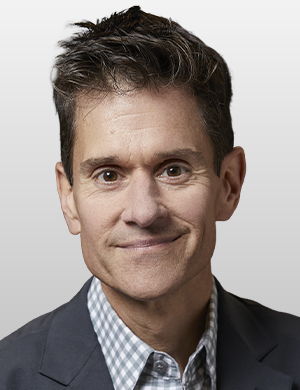
So today I have a special guest and I know he's a popular guy, he me forever to get him here. He's been, he's everywhere lately. I'm Dr. Brent Rich. Welcome.

Dr. Brent Ridge (00:51)
it's great to be here. And I love what you said about meeting people at conferences and industry events, because yes, you usually have a few minutes to talk to everybody. So you never really have really in-depth conversations. So how wonderful that we have, you know, 20 minutes to chat.

Lara Schmoisman (01:01)
huh.

Absolutely. So let's talk about this. Who is Brent Rich before being a doctor?

Dr. Brent Ridge (01:13)
Mm-hmm. Well, before being a doctor, ⁓ well, I grew up in North Carolina and very evangelical, know, southern US and kind of a, I would say a lower middle-class family, single mom. She was a nurse and had spent, I would say the first 15 years of my life trying to figure out how I was going to escape my

Lara Schmoisman (01:16)
Thanks.

Dr. Brent Ridge (01:36)
rural North Carolina background. And I tell that story because I think it was so foundational to who I was in terms of being studious and thinking about how I would have to use my intellect to raise my standing in life. ⁓

Lara Schmoisman (01:52)
But that's

interesting that you say that because that's we were is where it pushes and we still bring it with us and that's who we are somehow.

Dr. Brent Ridge (02:00)
Yes, it's correct. It's developmental. And so, you know, my mom

was a nurse and I always had a natural inclination for the sciences. And so I knew, you know, as this kid in rural North Carolina, that going into the field of medicine was like a guaranteed six figure income. Like that was, I knew I would have stability if I went into medicine. And so I decided to ⁓ go into medicine.

went to the University of North Carolina at Chapel Hill. And my undergraduate degree was in anthropology. And so I really was always fascinated about cultures and how your cultural upbringing influences your health. And I spent about four months during my undergraduate years living in the Ecuadorian Amazon, studying this particular group of indigenous people called the Warrani.

and how their culture and their health systems were being impacted by the discovery of oil in the area of the jungle in which they had lived for centuries. Then went on to medical school and in medical school you have to decide by year three or four what are the areas you might be interested in because you have to apply to the appropriate residencies and whatnot. And I had three fields that interested me.

Lara Schmoisman (03:08)
and

Dr. Brent Ridge (03:12)
One was reconstructive surgery, particularly looking at people who had had accidents and disfigurements and how I could rebuild geriatric medicine, study of aging, and forensic pathology. And I know, I know, I know. And so I actually did rotations in each of those to try to see which one I thought resonated the most for me.

Lara Schmoisman (03:16)
Okay.

my God, they're completely different, but...

Dr. Brent Ridge (03:37)
And I ultimately ended up on aging. And I think that comes from the fact that living in a single family home, my grandparents were a lot of times my caregivers. After school, holidays and summers and whatnot, my grandparents took care of me. And I had such great role models in people who were older than me. And so I naturally have this affinity for people who are older. I'm sorry, my dog hates when I do.

Lara Schmoisman (04:05)
That's okay,

he wants to be part of it.

Dr. Brent Ridge (04:07)
She

wants to be part of it. And she's old too. She's 13. So she's like, I hear you talking about me. And so YALA has its natural kind of affinity for older people and the history and the wisdom that they bring. And so after medical school, I took a fellowship from the American Federation of Aging Research and went to Harvard to do work on this study on the genetics of aging. And then after that, went to do my residency at

Lara Schmoisman (04:11)
Okay.

Dr. Brent Ridge (04:33)
Columbia in New York City. So that was finally that point at which all of my study and education took me to New York City, right? So I had escaped North Carolina. And then after that went on faculty at Mount Sinai School of Medicine ⁓ in the geriatrics department. ⁓

Lara Schmoisman (04:39)
What's your turning point? Yeah.

Okay,

I have to ask a question. I didn't want to interrupt you, but I I'm fascinated by this research that you did in the Amazons and the generic, and if there is any link into different cultures and how you age.

Dr. Brent Ridge (04:54)
Yeah. Yeah.

Yes.

Mm. ⁓

Well, I would tell you it does come full circle and now how we approach aging and longevity at our company, Beekman 1802. You know, we say that every, everything that you go through in life somehow contributes to where you wind up in life. And from that study at Harvard, what was so fascinating about that study is that, you know, what we were doing where we were looking at families that had extreme longevity. So

multiple generations that had lived to 90 or older. You have extreme longevity in your family? Interesting, interesting. And so we, interesting, the database that we were using was from the Mormon faith because they have always kept such amazing genealogical records. And so we could track the family trees and see when people had died.

Lara Schmoisman (05:37)
I'm laughing because that's me.

Yes.

Mm-hmm.

Dr. Brent Ridge (05:59)
And so we would look for families in which at least two generations had lived to 90 or older. And ideally, in multiple times, we found families that had three and four generations who lived past the age of 100. So once we identified these families, then we would interview them, take blood samples, and then just start looking if we could find any type of similarity in their DNA structures that we could then use for further investigation into.

prolonged aging. And what was so fascinating is that this study went on for many years, even after I left to go to my residency. And ultimately, what they found was that there was not one single genetic component that contributed to great longevity. Genes might get you to, know, genes in your body habitats might get you to age 85 successfully, but anything beyond that was something more.

And they were also working with this amazing psychologist, Dr. Marjorie Silver. And she was the one who really started piecing that puzzle together about how important our social interactions are and how that contributes to how well and successfully we will age. now, last year, a lot of that research has come to the forefront showing, yes, your social interactions, your optimism, those are the things that

are the most impactful at helping you get to extreme longevity. So that was that study. And then when it comes to this idea of how we approach aging at Beekman, I took that idea of aging and not only the health, the things we have to do for our bodies, but the things we have to do for our mind and things we have to do for our community in general. And so that really kind of made me develop

my philosophy of this ecosystem of wellbeing and how we need to really, we can't just think about what's happening on the surface of our skin or what's happening in our body, what's happening in our mind. We have to think about the entire ecosystem of our health and wellbeing. And so that's really how we approach things at BeaconHM2. It all comes back to all of those things that happened to me during the course of my life.

Lara Schmoisman (08:03)
So, but in the middle you were working in some place like with the Martha's tour they heard, so how did that came about?

Dr. Brent Ridge (08:09)
Yes. Yes.

Well, it's an interesting story because I was on faculty at Mount Sinai and I decided about after being on faculty there for about four years that I didn't want to spend the rest of my life in academic medicine where I was always having to chase a research grant. I just thought that was very suffocating.

Lara Schmoisman (08:17)
Mm-hmm.

Dr. Brent Ridge (08:34)
And so I thought, okay, well, let me go back to business school and I'll figure out how I can pursue my interests, but maybe in the private market. And so I went back to business school at NYU and then after, and I thought initially I would go into biotech or something like that. But after business school, I got re-engaged at Mount Sinai and doing a, working on

Lara Schmoisman (08:42)
in

Dr. Brent Ridge (08:56)
project that had been long standing at the hospital to create a center devoted to the study of aging and the care of older people. And so I went back and that was my project that I was working on. And I knew that if I was going to approach anybody about being the benefactor of this center that we were creating, that I first had to have an amazing design for this center. There was so much of... ⁓

you know, the appeal of things is the aesthetics of it. Like, what does it look like? How does it make me feel when I'm in that space? And so I wrote a letter to every star architect that I could think of, you know, an architect that had a name. And I wrote about six or seven letters. And one of the architects was I.M. Pei, one of the most famous architects, you know, in the world at the time. And he was already into his eighties.

Lara Schmoisman (09:31)
Mm-hmm. ⁓

Dr. Brent Ridge (09:43)
And in my letter to him, I said, you know, we're creating this center for the study of aging. And it's very important that in every aspect of it, we demonstrate that just because you're getting older doesn't mean you become less productive. Like you still have something to contribute. And so he read my letter and I came out of the room from seeing a patient one afternoon and my secretary said, there's a Mr. Pay on the phone to talk to you. And I...

Lara Schmoisman (09:57)
Absolutely.

Dr. Brent Ridge (10:08)
picked up the phone and he said, hi, I read your letter. I would love to work on this project with you. And so.

Lara Schmoisman (10:14)
see it

that they choose that you should always reach out to people

Dr. Brent Ridge (10:18)
Always, with the idea of how your appeal is going to benefit them, right? So this was a person who was kind of at the kind of the later part of their career. They had accomplished everything they needed to accomplish in life. He'd accomplished everything. So what more could he benefit from than creating something that had a legacy of helping generations of other people become healthier? And so...

Lara Schmoisman (10:24)
Yeah.

Dr. Brent Ridge (10:43)
he came up with this beautiful initial concept for the center. And then I said, okay, now I need to take this beautiful design and put it in front of someone else who could give the money for this. And of course in New York City, there are lots of people who have money and who want their name on a building at Mount Sinai Hospital. And, but again, I said, okay, who can not only afford to give the money, but also demonstrate that just because you get older,

Lara Schmoisman (10:57)
with money.

Yes.

Dr. Brent Ridge (11:11)
you're still productive and still contributing in an amazing way to society. And really, I only had one person on my list and that was Martha Stewart. I think at the time she, well, she must've been probably in her 60s, mid 60s maybe. And so I wrote her a letter and I said, know, Martha, we're creating this center and you know, your company rose to prominence.

during the baby boomers, with the baby boomers when they were in the nesting phase of their life, right? So they were creating the perfect home, raising the perfect family, creating the perfect-

Lara Schmoisman (11:41)
Okay, can I put this

stop, Shaser, because I want to hear this lesson to be learned for everyone, that how you communicate with people, that you are about storytelling and about

Dr. Brent Ridge (11:52)
Mm-hmm.

Lara Schmoisman (11:53)
not just asking, not just sending a copy email. It's really important that it comes from you. It's like I hear many people saying, yeah, I have that contact in LinkedIn. Yeah, but if he doesn't know who you are, he's not gonna answer to you. It's about the relationships.

Dr. Brent Ridge (11:55)
yeah. Right.

Correct, correct.

And 100 % and you know, and I didn't know Martha, I had no connection with Martha previously. And I think, and we do this all the time at Beepin when we're working out who we want to collaborate with or whatnot. We always go into any collaboration, any negotiation really, thinking, how am I going to make the person that I'm negotiating with or asking something from, how is my ask going to make them better or advance them in some

Lara Schmoisman (12:35)
Yeah, it's always about creating partnerships. It's not about asking and it's about it's about connection and partnership collaboration all the time.

Dr. Brent Ridge (12:36)
⁓ and partners. Right.

People get that wrong all the time. ⁓

They don't. You always have to think first about the partnership and what am I going to provide to that person.

Lara Schmoisman (12:54)
It's something I learned, like even when I have meetings in Zoom with people that, what can I do for you? You ask that first and then the rest will come.

Dr. Brent Ridge (13:00)
Yes, that's right. That's right.

I 100 % agree. I 100 % agree. And so when I wrote the letter to Martha, I said, you you created this company, this amazing company when the baby boomers were in this phase. And as they move over the next 20 years into another phase of their life, they're going to want a role model who can teach them how to live an amazing, long, healthy life and still be productive no matter what their age is. And of course, Martha is the ideal role model for that. I look at her now.

Lara Schmoisman (13:32)
Of course,

perfect house, perfect house. Yeah.

Dr. Brent Ridge (13:34)
Yeah, that's right.

And just still going and curious and like doing all these things, you know? Correct, correct. And I remember the very first dinner I had with Martha as we were talking about the project, she said, well, tell me, Dr. Brent, what, how do you age better? And I remember looking at her right then, I already knew this, I knew this from the beginning. I said, better aging starts at birth.

Lara Schmoisman (13:39)
Talking about longevity.

Dr. Brent Ridge (13:59)
It's not something that you start thinking about at the age of 30 or 40 or 60 or 70 or 80. The minute that you come out of the womb, maybe even before that, maybe even the decisions that your mom made for you while you were in the womb is gonna contribute to how well you age. So it's, know, what type of foods are you eating? What things are you putting on your skin? What environment you put yourself into? How much education you get? Your friend group.

all of those things somehow contribute to the buildup of inflammation, stress in the body, and all of these things are what are contributing to healthy aging. And so that's our philosophy at Beekman is building the ecosystem and that better aging begins at birth. start thinking about.

Lara Schmoisman (14:43)
Okay, so then you collaborate to work with Martha Stewart. ⁓

Dr. Brent Ridge (14:47)
Yes, yep, created the center. And then

after that, Martha asked me to join her company to create a division devoted to health and wellness. The company had never had a real focus on health and wellness, but I sold her on this idea that health and wellness is a part of people's life. And Martha has certainly always been very interested in science and wellness.

And so I joined the company and so while I was at the company, we launched this new vertical. We had a magazine called Body and Soul magazine. We had a website to do that. We started developing products that were healthy for the home, health and wellness products. And so that was kind of my role with the company is growing that division of the company. Now in 2006, my partner and I were driving in upstate New York. It's a weekend getaway.

And we went to this little town called Sharon Springs, New York, about three and a half hours outside the city. And we saw this farmhouse for sale and we thought, ⁓ we want to buy that farmhouse to use on the weekends, you know, to escape our lives in the city. can grow some food. Yeah. Well, you know, back in 2006, you know, mortgages were free, you know, they were just throwing them around. And like we cashed in everything that we had ever saved to and took out the million dollar mortgage.

Lara Schmoisman (15:49)
Wow, look at you, how fancy.

Yeah.

Dr. Brent Ridge (16:03)
to buy this property because when you're 30, you're like, the future's so bright, what could happen? And we were naive. And so purchased this farm to use on the weekends. And shortly after we purchased it, everybody in this tiny little village knew these two gay guys from the city bought this farm. everybody knew we were coming. And we came up one weekend and there was a note in our mailbox from a local farmer who was losing his farm.

In his note, he said, I have a herd of a hundred goats and I'm losing my farm. Could I please bring my goats to your pastures to graze? Otherwise I will have to sell my herd. And we met with him. We saw how much he loved these animals. And fortunately, the farm property had another little cottage on it. And we said, you know what? You can come just stay, you can stay in that cottage. You can bring your animals. They can use the barn.

And it's great, it worked out great for us because we're only here on the weekends at Mo. Yeah.

Lara Schmoisman (16:56)
my god, that's the

quietest thing I heard. You are...

Dr. Brent Ridge (17:00)
And that's what we

say, Lara, that was the moment of kindness that ultimately started Beekman 1802 because... No, what?

Lara Schmoisman (17:07)
I don't know if you know this, but this is

one of the things that we run the DAWL, my agency, is by kindness. It's the first things that we tell people in every interview.

Dr. Brent Ridge (17:13)
Uh-huh. Is it?

It's the most important. I always say kindness is wellness. If you cannot treat yourself, if you... my God, it's a first for everything. Yeah, it is so important. And when the recession hit in 2008, my division at Martha folded because the media industry was so badly impacted. My husband was in advertising, his advertising agency folded.

Lara Schmoisman (17:23)
Yes. my God, you make me, I never cry in a podcast before.

Yeah.

Dr. Brent Ridge (17:42)
And so we were in this kind of, ⁓ my goodness moment, like, what are we going to do? Because we had no job, the recession, like so many of our colleagues were out of work. We're like, we're never going to be able to find our way back into, you know, industry. And we have this million dollar mortgage and we Googled what can we make with goat milk? And one of the things that popped up was goat milk soap. And, you know, at this time we had no idea that we would

Lara Schmoisman (17:58)
Yeah.

Dr. Brent Ridge (18:07)
go into the skincare industry and grow this big company, we were just trying to survive. And so we started making these bars of goat milk soap. Our neighbors would come over and help us wrap the bars of soap around our dining room table. That's why I still call all our customers neighbors to this day. And that's how the company got started. And to jump ahead, we've now sold 60 million bars of that soap.

Lara Schmoisman (18:29)
my God, that's amazing. That's amazing.

okay, tell me about, what did you find out? Because you are a scientist at the end of the day. So how gold milk works on your skin or, mean, then you develop a whole line of products. what, I mean.

Dr. Brent Ridge (18:36)
Yes. Yes.

Yes.

Yes, very, very,

very gradually. know, so we started, we started with, ⁓ what's that?

Lara Schmoisman (18:48)
But let me tell you something.

This is one of the hardest things that I've been seeing in the beauty industry lately. There is no innovation for you to bring this unique. Of course, it came to you, I mean, in an incredible way.

Dr. Brent Ridge (19:03)
Well,

well, and we've also been working. mean, we've been researching Goatmul now for 16 years. Like it's not, you know, I think so much in terms of innovation in the past decade, companies have had one idea and then tried to grow super fast on Instagram based around this one idea or TikTok. But that's not enough. there's no motivation to innovate and there's no foundation of which you're innovating. You're like taking one tiny, you know, ingredient and just putting it in product and you're being numb with it. But

Lara Schmoisman (19:08)
Yes.

Dr. Brent Ridge (19:31)
That aside, when we started making the bars of goat milk soap, our first major retail distributor was Anthropologie. And that gave us enough consumer feedback, anecdotal consumer feedback, to realize that there was something about this soap that was benefiting people's skin. And people who had eczema, who had psoriasis, who just had inflammatory skin.

immune disorder, something that was going on with their skin, they gravitated toward the product and they said it really was helping their skin. And then as a scientist, that just piqued my curiosity. the interesting thing about goat milk and goat milk soap is that goat milk has been used for thousands of years. People would bathe in goat milk for sensitive skin or if they had something going on with their skin.

Lara Schmoisman (20:13)
That's true. That's true.

In all books you can in all. Yeah.

Dr. Brent Ridge (20:18)
Everywhere. Cleopatra,

you know, Louis XIV would bathe in it. And ⁓ Cleopatra, And so, and it's so interesting because you can go to almost any country in the world. If you go to a farmer's market, you will find someone selling goat milk soap. Now, you have to ask why is that the case? Why? And so I just started researching goat milk. Now,

Lara Schmoisman (20:23)
The apartment, yeah.

That's it.

Dr. Brent Ridge (20:42)
The first thing that we learned about the goat milk was that it had the same pH as human skin. So when people are cleansing with it, they're not disturbing the pH barrier of the skin. Now, 16 years ago, no one was really talking about barrier health, right? But we were, we were like, we said the foundation of your skincare is how you cleanse your skin. And that's how we started the company.

Lara Schmoisman (21:05)
Absolutely, how you clean is... I was having this conversation yesterday with someone. Are you cleansing your face? If you start putting products and products in and you don't wash your face well, it's never gonna work. That's the ABC. ⁓

Dr. Brent Ridge (21:08)
is the foundation.

It is,

well yeah, you've got to get the dead skin cells off. But the thing that happens with so many cleansers, less so now than it was back then, then it was worse, is that all of these cleansers altered the pH of the skin, which then would cause, would initiate this cascade of inflammation, sometimes subclinical, you maybe didn't realize it was happening, but you were starting this cascade of inflammation that was making you have worse skin because of the way you were cleansing.

And so that's how we started. And then, you know, we kind of, started making some moisturizers using the natural lipids and the fatty acids from the goat milk. They're amazing moisturizers. What's so interesting is that if you look on the ingredient panel of almost any moisturizer, you'll always see like a caprylic acid or capric acid, some sort of capri acid. And that's because these acids were first discovered

Lara Schmoisman (22:09)
Yeah.

Dr. Brent Ridge (22:15)
because of their high abundancy in goat milk. And capri is the Latin root for goat. And so that's why those fatty acids are called caprylic acids. And so we started looking at these fatty acids developing moisturizer for the body. We were primarily body at that time. And then about six years into the company, a lot of research around skin microbiome started coming about, which had not.

Lara Schmoisman (22:25)
Amazing!

Yeah, it became

a trendy warm microbiome.

Dr. Brent Ridge (22:42)
That's right.

it had not, science was not there yet. We all knew about the gut microbiome, but no one had really stopped to analyze the skin microbiome. Now, when I was on the medical wards at Mount Sinai, we would often look at the skin microbiome, what we knew of it back then in wound healing, because a lot of times we were dealing with chronic wounds that wouldn't heal. So we were very interested in the microbiome at that point, though we didn't know that much about it. But as the science around the microbiome started to develop,

Then we started looking at, what is it about the goat milk that could influence the microbiome of the skin? So going beyond just its pH and the cleansing aspect of it. And so we did kind of the first thorough analysis of goat milk to look at every single component in the goat milk, to identify every single one, and then systematically start looking at how this particular thing could impact the microbiome of the skin or the barrier of the skin.

We were really looking at microbiome at that time. And what's fascinating about goat milk is it's known as the universal milk. So any mammalian species can thrive off of goat milk. The infants can thrive off of goat milk. Now in humans, it's really interesting because of all of the milks of any mammalian species, the most bio identical to human milk is goat milk.

And if you look at the oligosaccharides, which are the sugars in goat milk, they are almost completely identical to the sugars that are in human milk.

Lara Schmoisman (24:09)
Mm-hmm.

So let me ask you a question. You guys are concentrating skincare and everything, so exists the possibility to go into wellness and ingest also goat milk in other forms?

Dr. Brent Ridge (24:26)
Well,

maybe someday. ⁓ The interesting thing about ⁓ goat milk ingestible is that ⁓ there's some new research coming out on, know, we're working with the exosomes in goat milk in our skincare. Goat milk is one of the most readily available sources of extractable exosomes. And there's some really interesting research now looking at the microRNA that's inside the goat milk exosome and its influence on inflammation in the gut.

So we know that there is some connection between the microRNA in the exosomes and the internal probably microbiome system and how it controls inflammation. So at some point that will be of interest to us. But right now we're looking at the oligosaccharides, how they serve as the prebiotics for the natural ecosystem on the surface of the skin. And then the exosomes for what they can deliver in the future.

Lara Schmoisman (25:16)
Amazing. So let's go for a minute about aging because it's impossible not to age. It's impossible. I hate it too, but also I hate the word anti-aging because it's... I hate it. I absolutely it's like, there's nothing, there's no thing that stop aging. So how...

Dr. Brent Ridge (25:20)
Mm-hmm.

Right. I hate the word aging.

No, that's why I say anti-aging. I don't like it. Yeah.

That's right. That's right. And

we, know, as you know, working in our industry, anti-aging was a fabricated word for fear mongering. Like the beauty industry sold this idea of anti-aging to make us feel bad about the aging process. and then try to sell the product to solve the anti-aging. Find a new word. You know, for us, ⁓ we call, we could say better aging.

Lara Schmoisman (25:48)
Bye.

Let's find a new word. Let's say aging gratefully.

Dr. Brent Ridge (26:04)
Like if we have a product that's targeting more mature skin, we call it a better aging product. ⁓ But yes, we've got to change the mindset around aging. In fact, if you look at our products that are focused on mature skin, and these are the products that are using the exosome that we extract from the goat milk, if you open up the lid of every box, there is a version of the Buddhist

Lara Schmoisman (26:08)
Yeah, I love them.

Dr. Brent Ridge (26:29)
loving kindness meditation inside the box. And we encourage people to cut that out and tape it to their mirror so that every morning or every night when they're doing their skincare ritual, they are seeing this meditation and they are incorporating that into their mind. Because the way that you view yourself in the mirror, that self-kindness that we were talking about before we started this podcast, that has as much impact on how you age

Lara Schmoisman (26:50)
Yeah.

Dr. Brent Ridge (26:55)
as any cream, any supplement that you're likely to take. The mindset that changes.

Lara Schmoisman (26:58)
Yeah, I think that it's.

But

the society didn't teach us to come to terms that we are aging. It's like we need to fight it. And I mean, I have zero interest in dressing like someone in their teens because it's just not comfortable for me and my body now after having kids. I mean, our body changed a lot. So I want to go again because I've seen a lot of brands talking about creating specific lines for dark skin.

Dr. Brent Ridge (27:13)
Right.

Yeah. Yeah. Yeah.

Mm-hmm.

Lara Schmoisman (27:28)
⁓

certain ethnic skin. As a professional in this space, do you think that there is a merit on that or it's just about stage in our life?

Dr. Brent Ridge (27:40)
Well, I think stage in life is very important. Hormones are very important in skin health. I think there are definitely some differences in different ethnicities and different sexes. It's more around the amount of oil production than anything else. I think because of that oil production, there may be differences in microbiome that we might find in the future as we learn more and more about microbiomes that can target different.

microbiomes and different people. So to that degree, yes, there's some differences. And that's why for us, we don't focus on a particular skin type. We focus on optimizing skin health. And we say we are going to optimize skin health because of the nutrients in the goat milk and how we are amplifying different nutrients for different target needs. So we think of it very holistically and optimization.

Lara Schmoisman (28:33)
Okay, we have a few minutes left, but I want to talk about your book. You recently launched a very successful book called Ghostwizzo. Okay, what is it about?

Dr. Brent Ridge (28:37)
⁓ uh-huh. Goat wisdom, which is greatest of all time wisdom.

And so this is a business book about entrepreneurship because we believe that mentorship is an act of kindness. So we will always ask, you know, help other people in the industry because we believe that's an act of kindness. And so we wanted to write this book and we partnered with Harvard Business Review

Lara Schmoisman (28:56)
So do I.

Dr. Brent Ridge (29:05)
to write this book. And essentially the concept of the book was we are bombarded in modern life with so much information, but information is not the same thing as wisdom. Information can be oftentimes erroneous, it can be misleading, and it can be very temporary. And so we said, you know what, let's go back to our roots, know, rural.

Lara Schmoisman (29:17)
No, it's not.

Dr. Brent Ridge (29:29)
know, rural America where so many lessons were taught through proverb, right, maxims. And we said, let's look at some of these maxims that were fundamental to us, these maxims that have stood the test of time, you know, that have been passed down from generation to generation. So you know that they've been tried and that they're true. And then let's apply those to be an entrepreneur. And so that's what we did. So every chapter starts with a particular proverb like,

Lara Schmoisman (29:49)
Mm-hmm.

Dr. Brent Ridge (29:57)
you know, don't kill the goose that lays the golden egg. You know, that's something that everybody has heard before, but they don't stop and think, well, what does that mean? How do I apply that wisdom to my life? And so each chapter starts with a proverb. We talk about the origin of that proverb. yeah, yes. And you know, sometimes these go back, you know, hundreds and hundreds of years. And then we talk about how that wisdom applies to how you're trying to grow your business.

Lara Schmoisman (30:02)
Mm-hmm.

I love etymology! I love etymology!

Dr. Brent Ridge (30:25)
And we make a point to say that there is a difference between growing a good business, a financially successful business, and growing a goat business. To be a greatest of all time business, you have to be thinking from the very beginning about the legacy that you are leaving. And so this book is, it's a long game. And so this book is for people who aren't just thinking about materials success or like,

Lara Schmoisman (30:43)
Yeah, it's a long game, it's an infinite game.

Dr. Brent Ridge (30:51)
getting rich really quickly. It's about what am I creating that's gonna create a legacy and continue to contribute long after I'm not here. Yeah.

Lara Schmoisman (31:01)
I love that.

I'm a true believer in Kabbalah. I wish I could be better at practicing it. But there are certain factors that are so important. Like for example, give 10 % back. 10 % of your energy, 10 % of your money, need your knowledge, you give back.

Dr. Brent Ridge (31:05)
Mm-hmm.

Mm-hmm.

Yes, I love that. Absolutely. And it was so interesting, and I just did a post about this on LinkedIn the other day, talking about the importance of the word neighbors. And we have a whole chapter in the book about love thy neighbor. And if you look at every major religion around the world, every single one of them has a core tenet about how you should love or respect or honor your neighbor.

Lara Schmoisman (31:43)
Yeah.

Dr. Brent Ridge (31:44)
It's a very specific choice of word, neighbor, because we can get so overwhelmed by all the problems in the world and thinking, you know, I can't solve those, so I'm just going to give up, right? But you have an incredible power to impact the person who is right next to you, your neighbor. And if you impact their life in a positive way, and then they impact their neighbor in a positive way and on and on and on, before long,

You have gone around the world. So even though you yourself have not solved the world's problems, by solving your neighbor's problem, you're ultimately going to solve a lot of problems.

Lara Schmoisman (32:18)
Yeah, it's

the same thing we've been talking on podcasts about partnership, collaboration, be there for the other, not just do it self-serving. It is. Well, neighbor, this was so nice to have you.

Dr. Brent Ridge (32:29)
Yes. Yes.

Thank you is a great, great way to spend a few minutes this afternoon.

Lara Schmoisman (32:37)
Well, thank you so much and to you guys. Thank you so much. think this this podcast mean a lot for all of us. So thank you for being here and to you guys. I will see you next week with more coffee number five.

Dr. Brent Ridge (32:44)
Thank you.

Bye. Bye-bye.